


drm-tos.museochiusi@cultura.gov.it
Description
The Etruscan Museum of Chiusi was founded in 1871, shortly after the unification of Italy, to display the many archaeological finds uncovered in the Chiusi area, which for a long time had been subject to looting and dispersal. In 1963, following specific legislation, the museum became state-owned and took the name National Etruscan Museum of Chiusi.
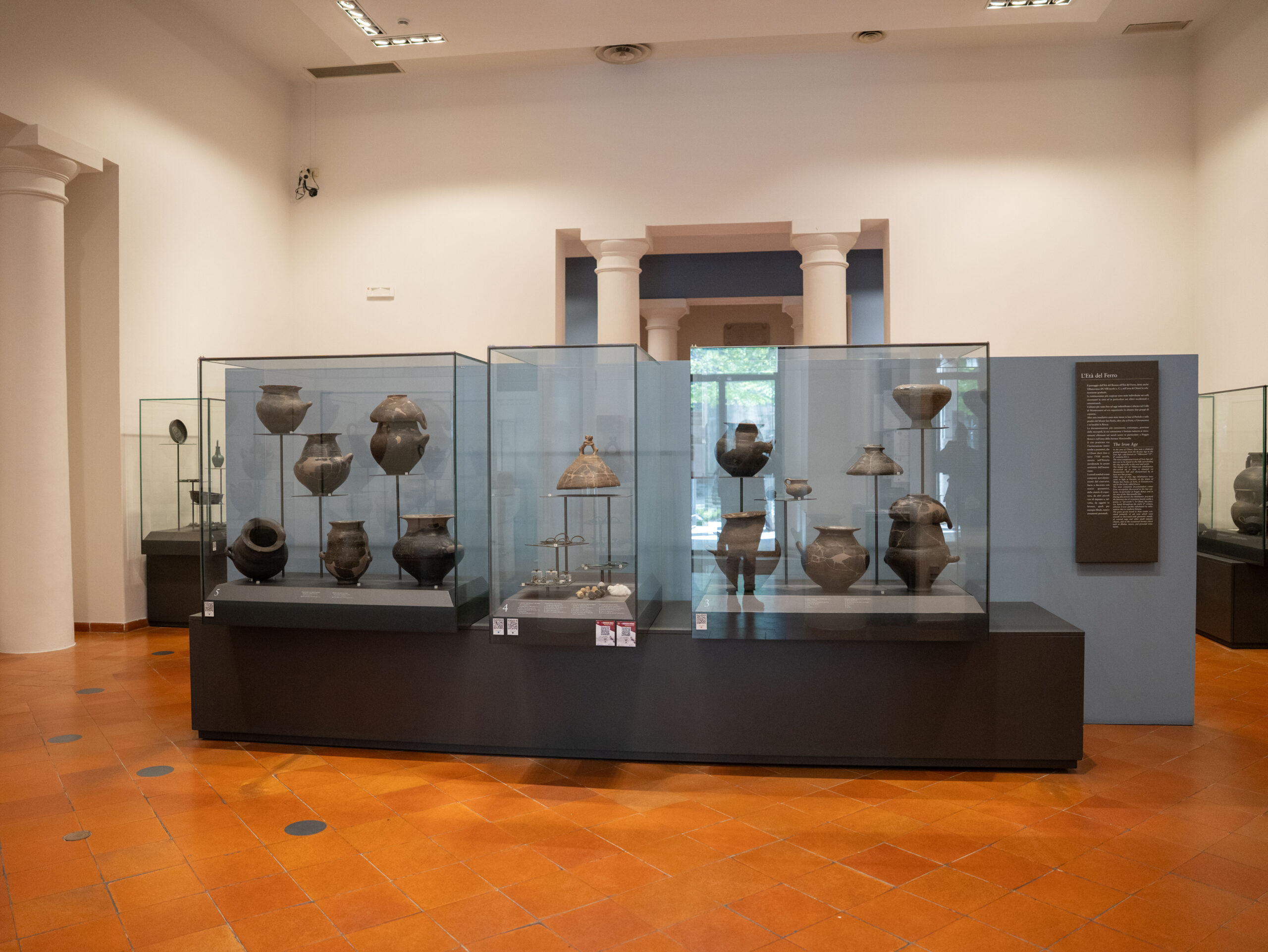
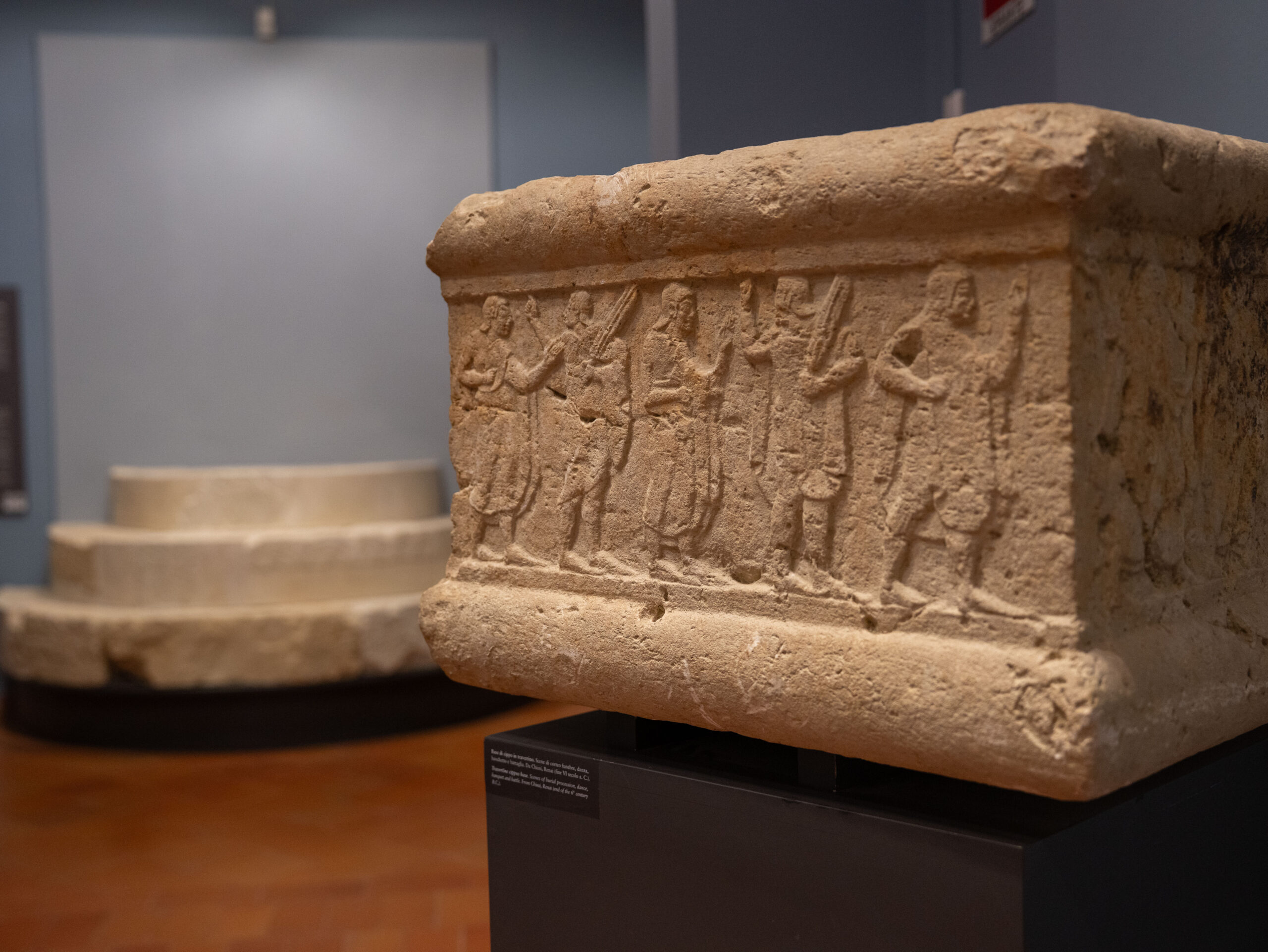
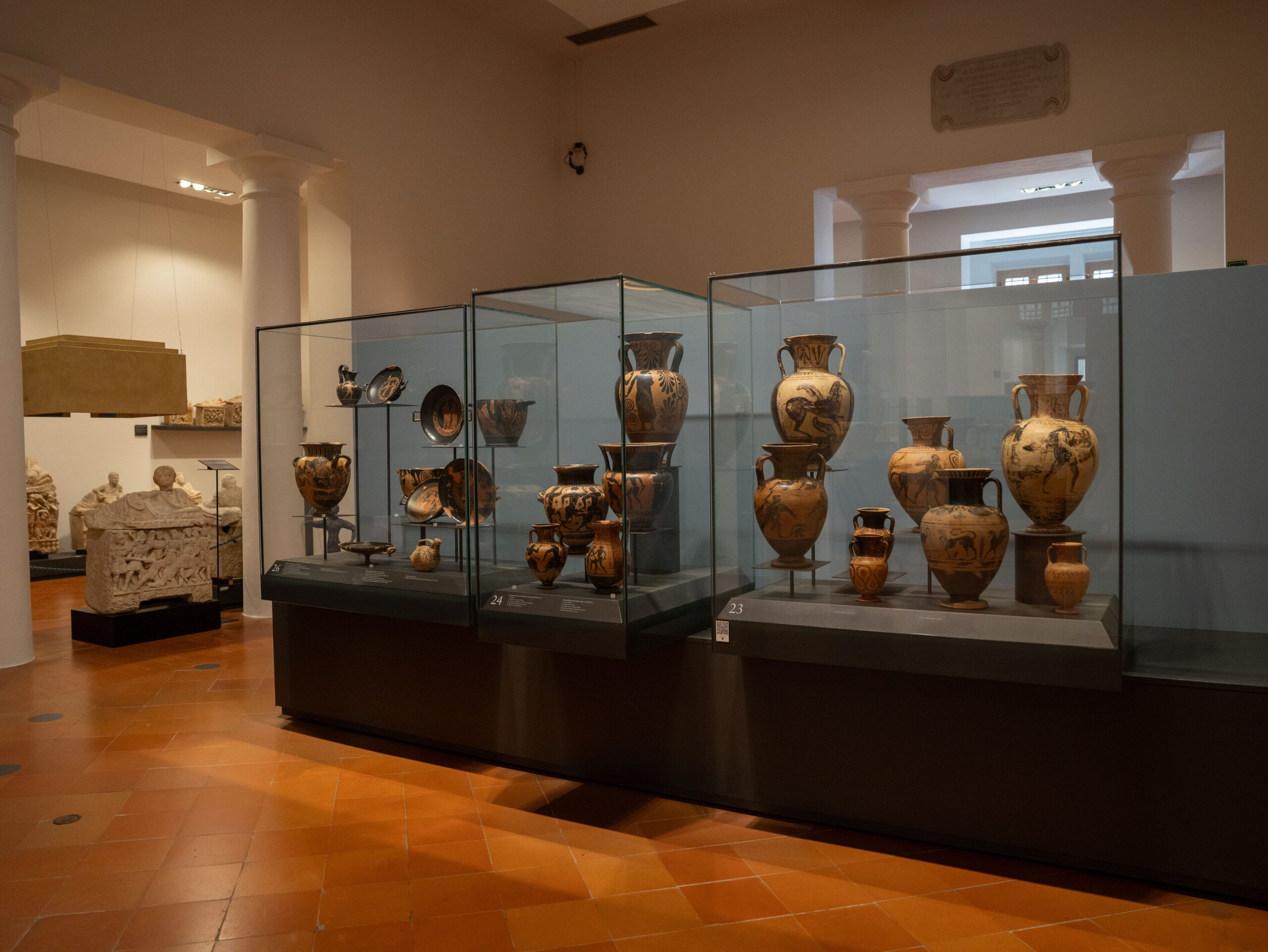
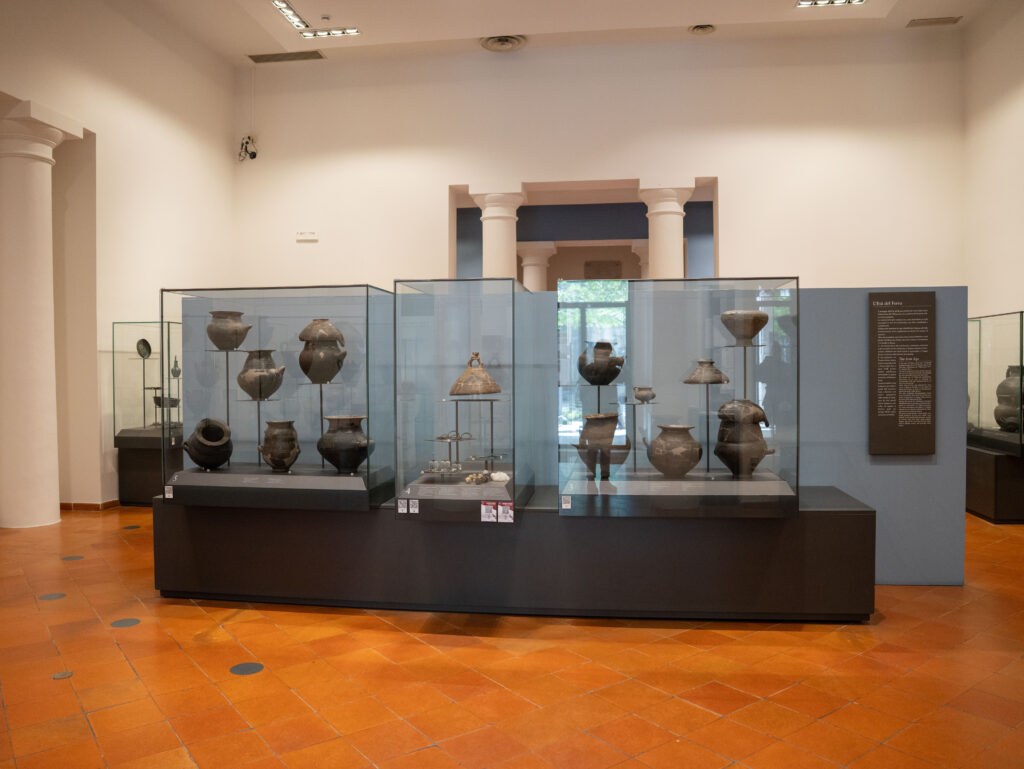
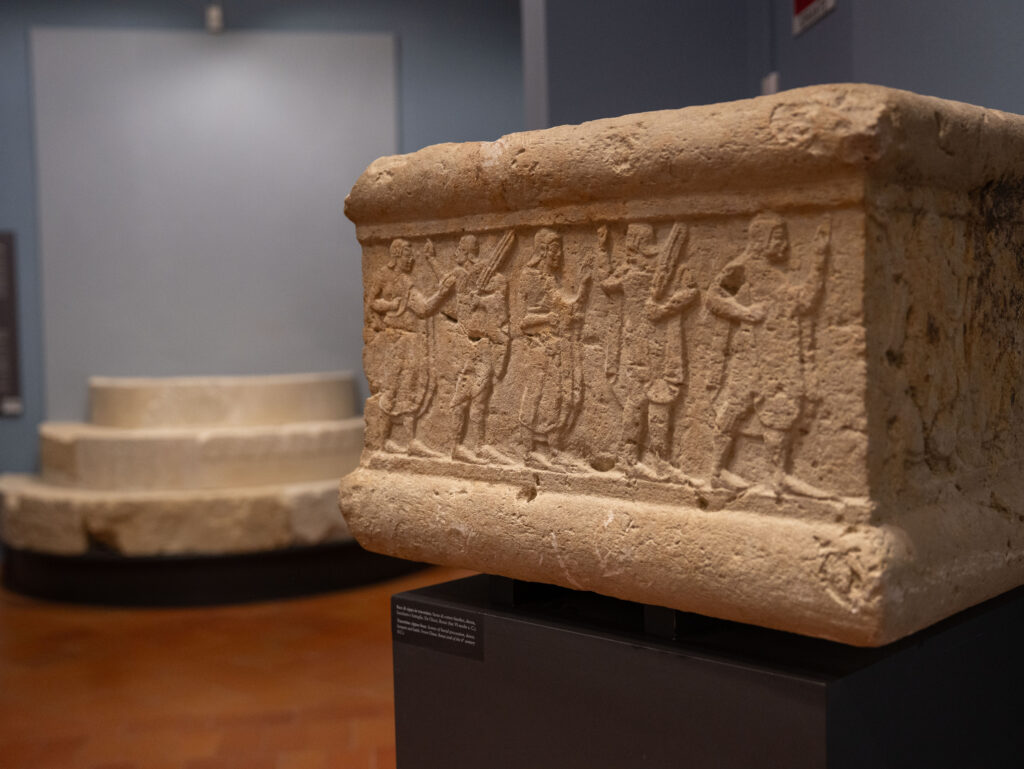
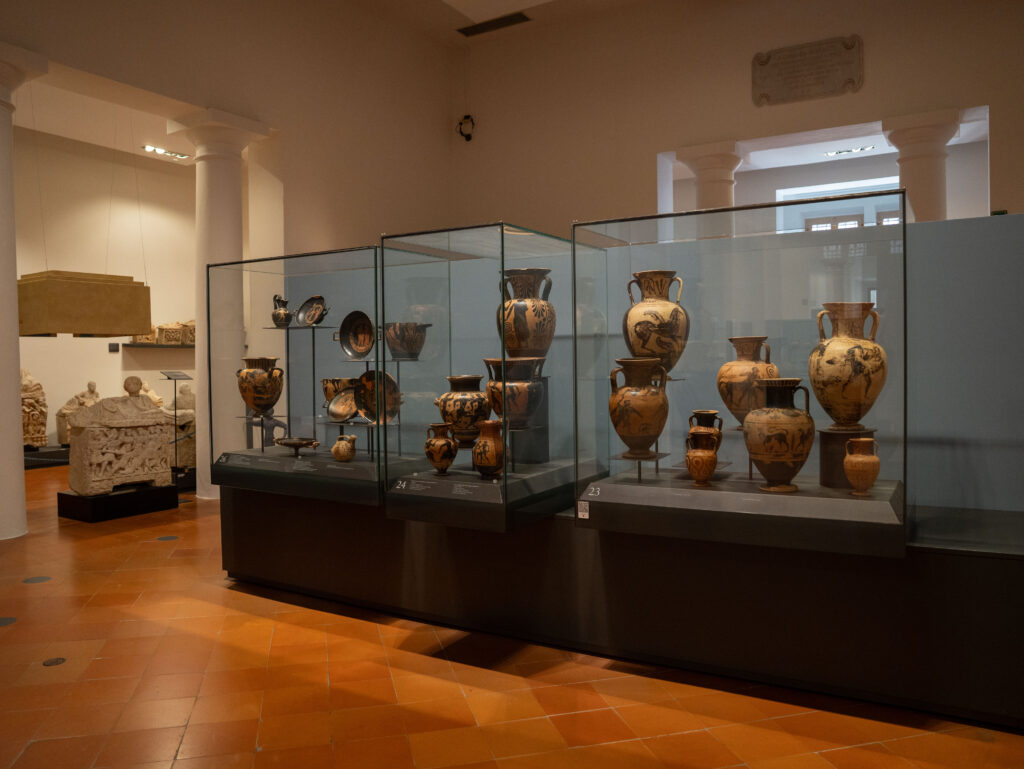
The museum houses a rich selection of artefacts arranged according to chronological and topographical criteria. Most come from the collections of local antiquarians and collectors, while others were discovered during archaeological excavations. The exhibition begins with the earliest evidence of human settlement in the area, dating from the Middle and Late Bronze Age (13th–10th centuries BC), and continues through the Iron Age (9th–8th centuries BC) into the Etruscan period, represented by reliefs, statues, bucchero pottery, Attic ceramics, grave goods, urns and sarcophagi. The Roman section presents finds from the town and surrounding area, while the final part of the exhibition reaches the early Middle Ages (6th–7th centuries AD), with important artefacts from Lombard burials excavated on the Arcisa hill, just outside the modern town.
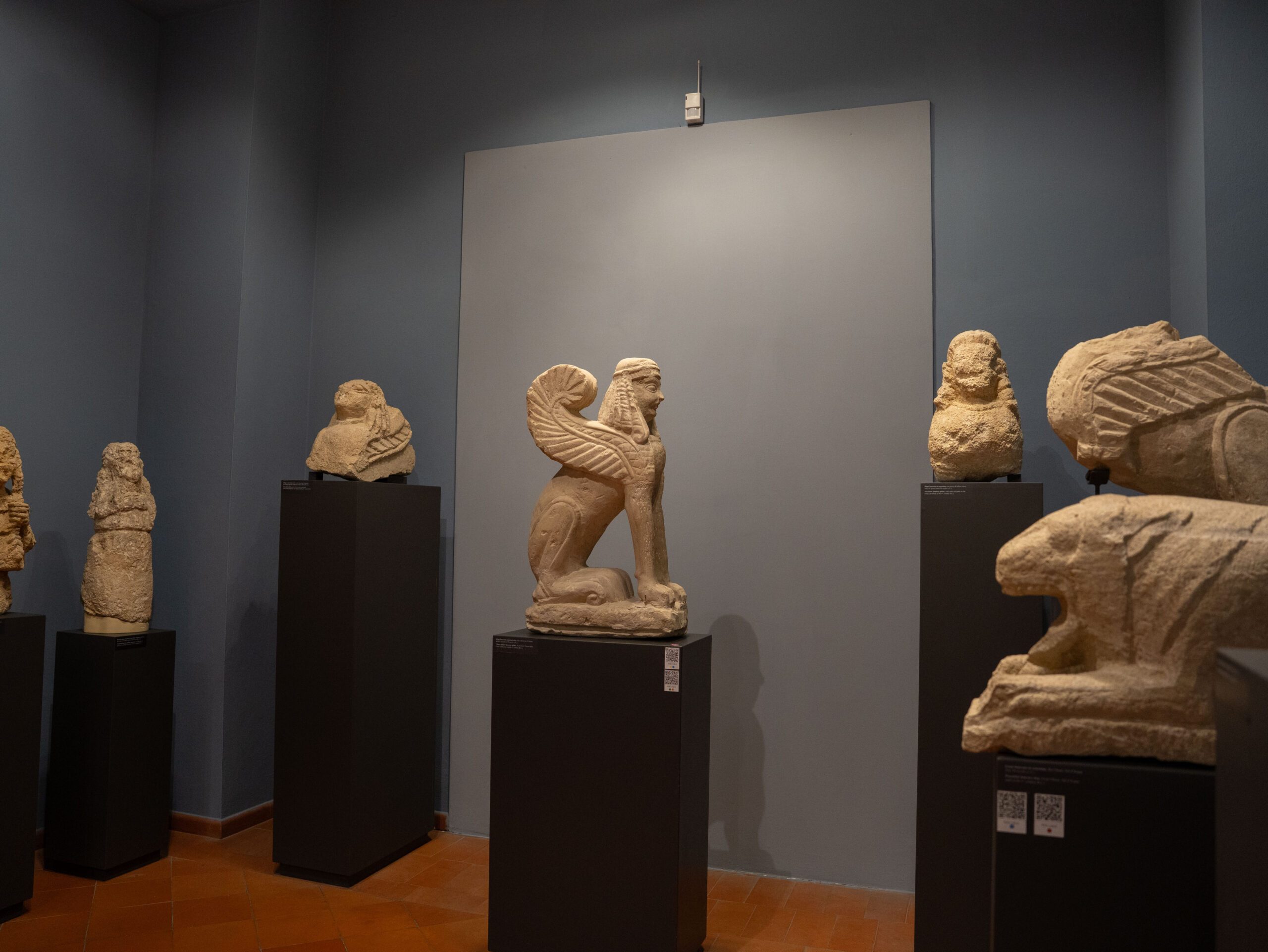
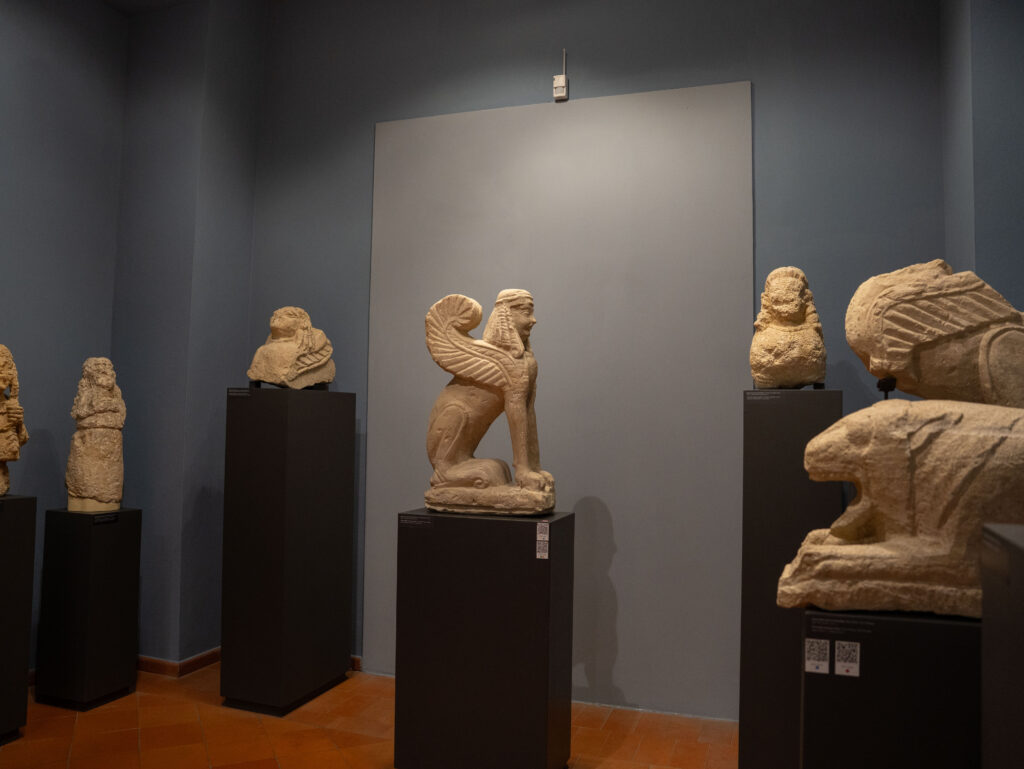
Among the many highlights are Villanovan cinerary urns, including the so-called “Embrace Lid”, featuring an extraordinary terracotta scene of two figures embracing; the distinctive anthropomorphic canopic urns of the 7th–6th centuries BC, used to hold the ashes of the deceased, including the remarkable Dolciano Canopic Urn; the elegant stone Sphinx, now one of the museum’s symbols; statues of female mourners; the Paolozzi Ossuary; and Attic black-figure and red-figure vases, including one with a rare depiction of Telemachus and Penelope.
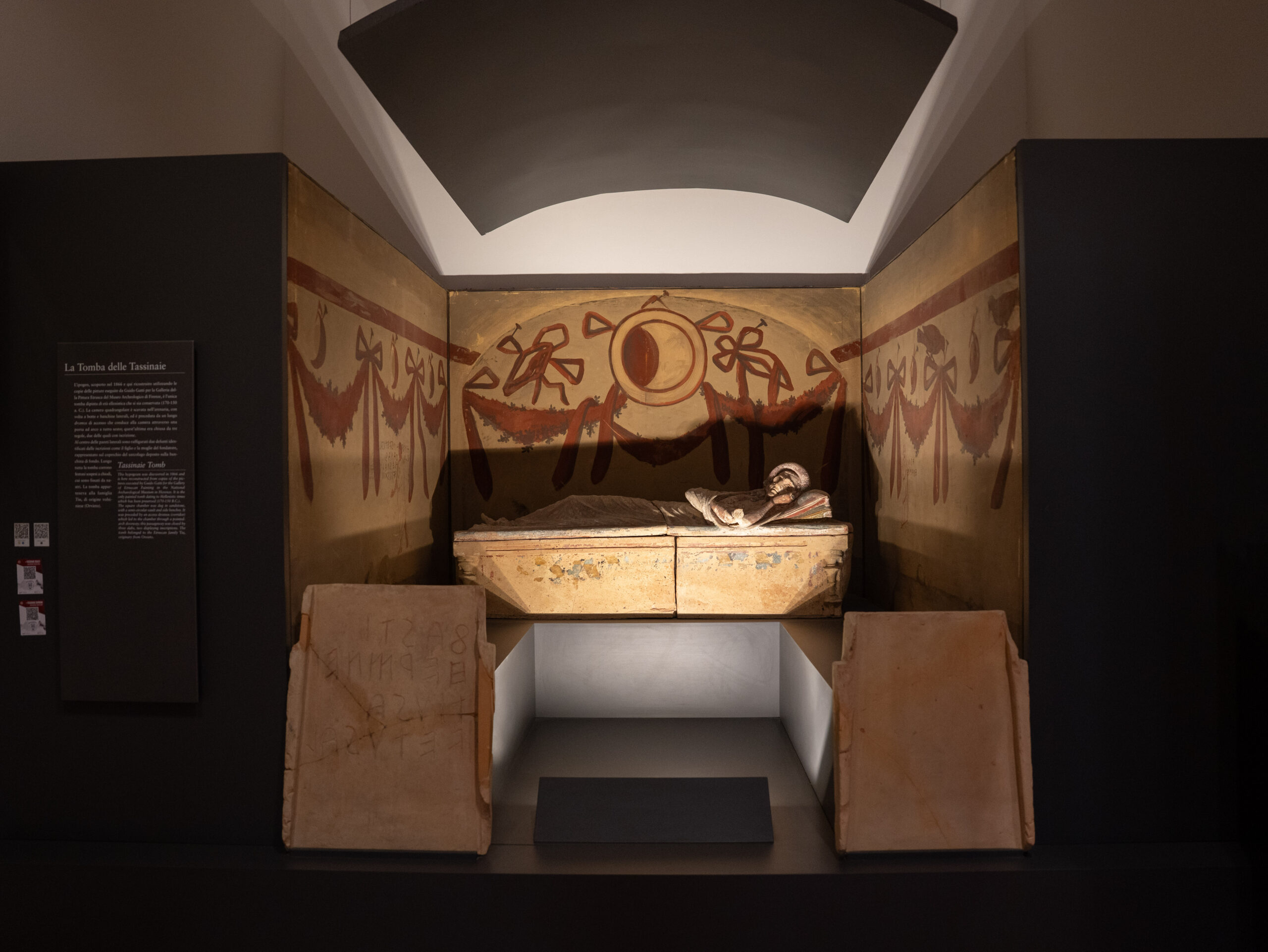
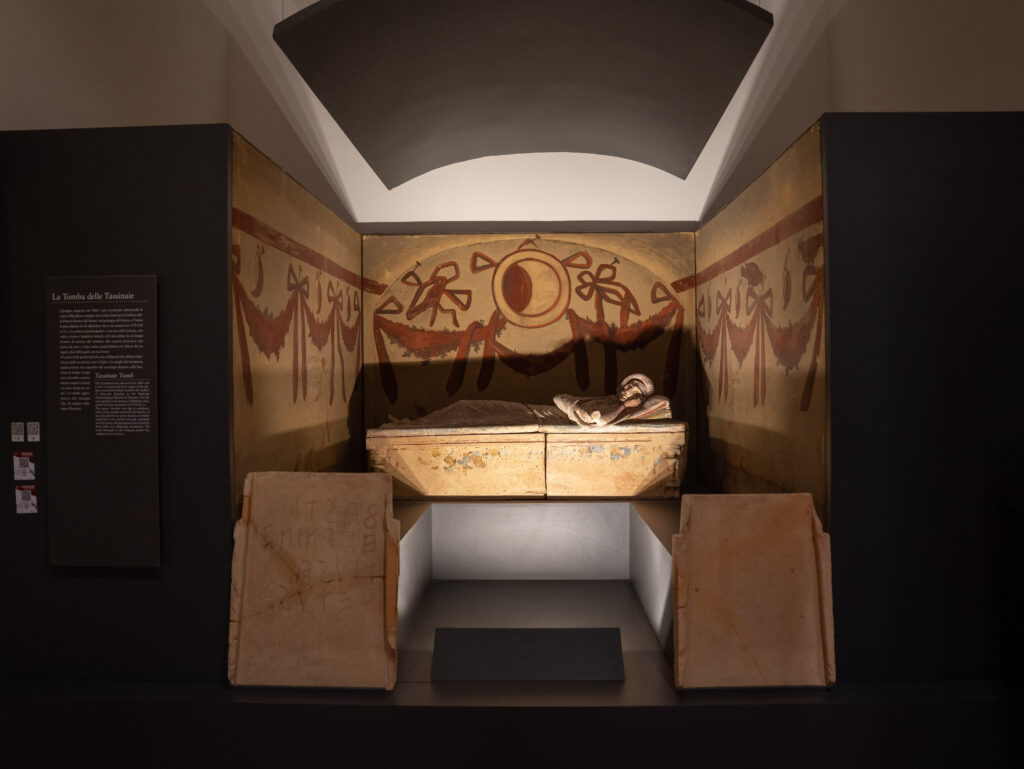
The museum’s strong connection with the surrounding area is reflected in the display of richly furnished tomb groups and in a small section dedicated to the painted Tombs of the Lion, the Monkey and Colle Casuccini, dating from the 5th century BC. The Hellenistic period (4th–1st centuries BC) is represented by stone and terracotta urns from the numerous tombs of the period.
Highlights from the Roman age include an exceptional portrait of Augustus dressed in the priestly robes of the Pontifex Maximus and a mosaic depicting hunting scenes from the villa of Montevenere. Finally, among the Lombard grave goods, consisting mainly of weapons and personal ornaments, is a particularly fine gilded silver brooch decorated with human-head knobs and zoomorphic and geometric motifs.
Contacts
T. +39 334 6400821
T. +39 0578 20177
drm-tos.museochiusi@cultura.gov.it
Phone
0578 20177
Website
https://museitoscana.cultura.gov.it/luoghi_della_cultura/museo_nazionale_etrusco_e_necropoli_di_chiusi/





Add a comment